Do You Need to Wear a Safety Harness On a Boom Lift?
Last Updated: 7 September 2026
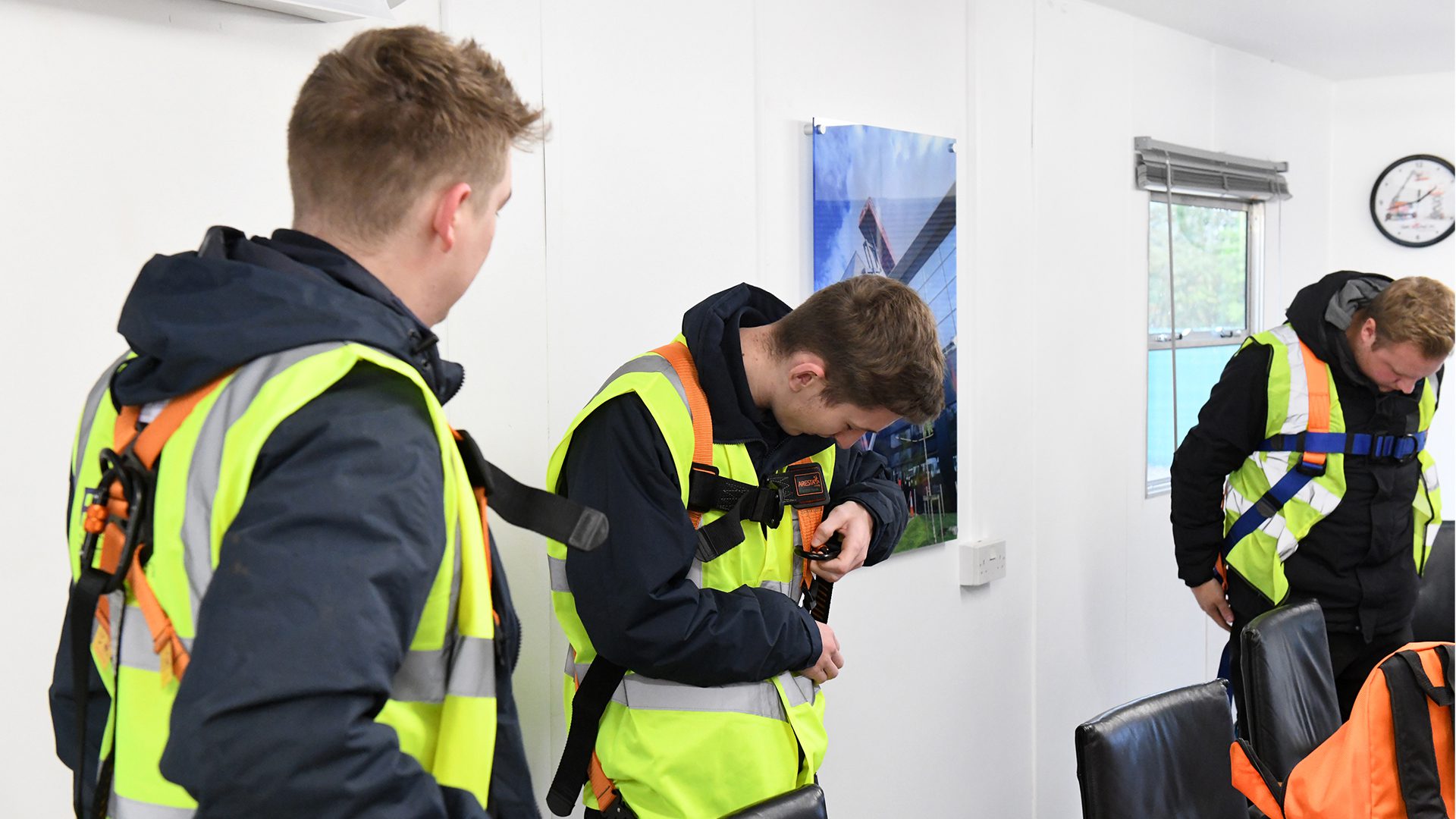
Yes – in almost every scenario, you do need to wear a safety harness when operating a boom lift. Guidance from both the Health & Safety Executive (HSE) and the International Powered Access Federation (IPAF) strongly recommends that operators of boom‑type MEWPs use a harness with a short lanyard to prevent ejection from the platform.
Why Boom Lifts Require a Safety Harness
Boom lifts expose operators to higher risk because the basket extends outside the machine’s footprint, increasing the chance of being thrown from the platform – especially if the lift is jolted or stuck, creating the familiar catapult effect.
This effect is unique to boom-type platforms, which is why a harness is strongly recommended.
IPAF also makes it clear that for Static Booms (1B) and Mobile Booms (3B), a restraining lanyard short enough to keep the user inside the platform should be used at all times.
Related article: A full overview of all the personal protective equipment required when using MEWPs – including helmets, footwear, gloves, and more.
Comparison Table: Do You Need a Harness?
The table below summarises harness requirements using the guidance from HSE and IPAF.
| MEWP Type | Harness Required? | Why / Notes |
| Boom Lifts (1B, 3B) | Yes – strongly recommended and typically expected | High risk of ejection; platform extends outside chassis; susceptible to catapult effect |
| Scissor Lifts (1A, 3A) | Usually No (unless risk assessment identifies otherwise) | Guardrails provide primary protection; the harness may restrict mobility and visibility |
| Vertical Lifts (PAV) | Not normally required | IPAF notes that fall protection is generally unnecessary except in exceptional situations |
What the HSE Says About Fall Protection On Boom Lifts
HSE’s operational circular on MEWPs highlights the danger of being thrown from a boom-type platform, including past incidents involvig overturns or being struck by other vehicles.
Fall protection is emphasised as necessary for preventing these incidents.
You can view the official guidance here.
Risk Assessment Still Matters
Even though the answer for boom lifts is almost always “yes”, UK safety law is risk-based.
Employers must assess each job to determine whether a harness is required, but boom lifts nearly always fall into the “required” category due to heightened risk factors.
What About Scissor Lifts?
Scissor lifts are different. Their platforms say within the machine’s footprint, meaning:
- Guardrails provide primary fall protection
- Harnesses may impede safe operation by limiting movement and visibility
Choosing the Right Lanyard
Since boom lifts do require a harness, the next question naturally becomes: what type of lanyard should you use?
To help operators pick the correct option (restraint lanyard vs fall arest lanyard, correct length, correct anchor points), we have an in-depth internal guide that makes for a great complementary read for anyone new to powered access safety.
Conclusion: Stay Safe and Get Proper Training
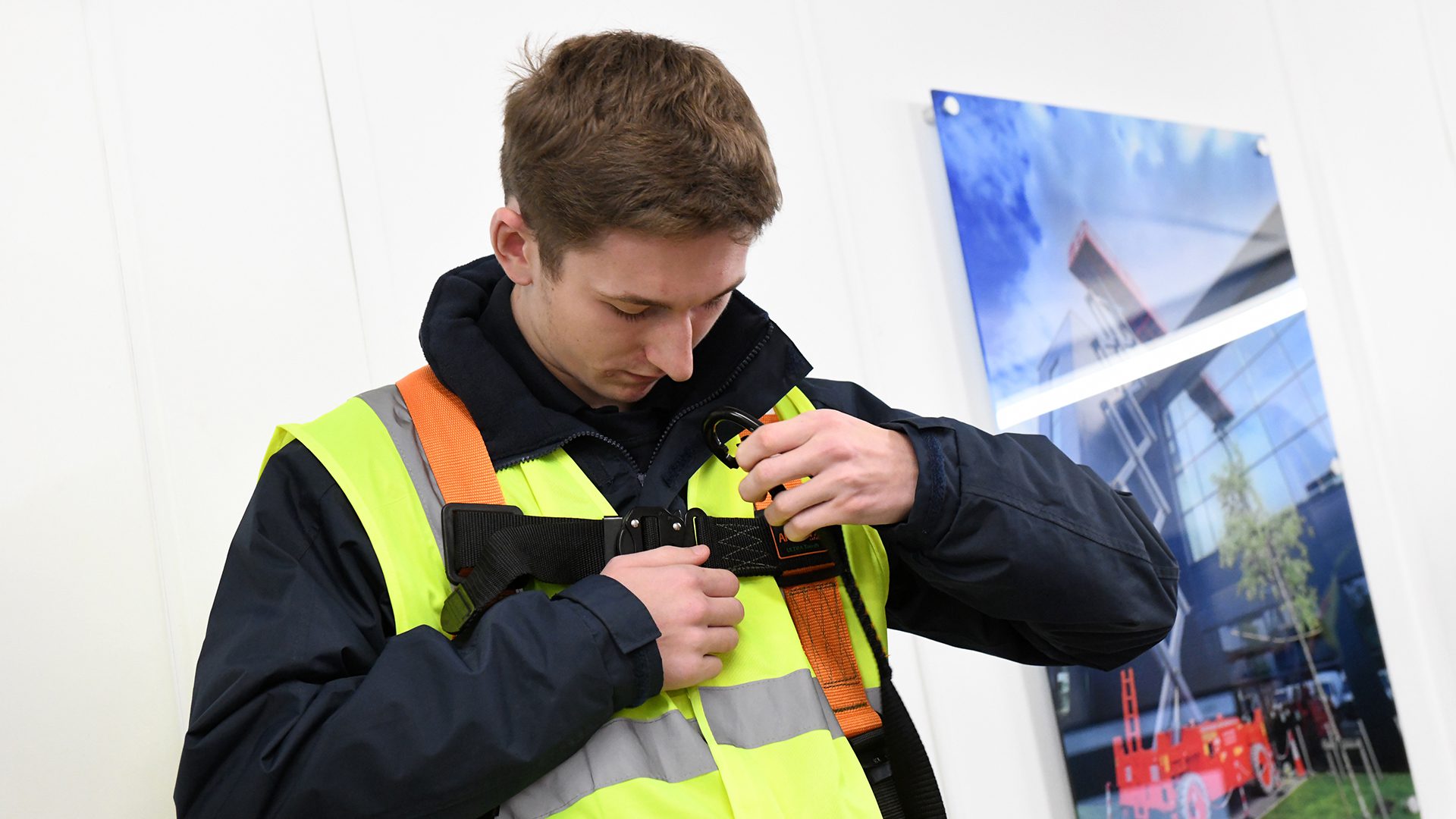
If you’re working from a boom lift, wearing a safety harness isn’t optional – it’s an essential part of keeping yourself safe.
Industry guidance, risk assessments, and historical data all point in the same direction: harnesses save lives on boom-type MEWPs.
As such, some construction sites mandate the use of a harness on all powered access equipment, including scissor lifts. However, this is mainly site-specific.
At Star Platforms, we offer IPAF-certified training to ensure anyone working at height understands not only how to operate the equipment but also how to do safely and confidently.
Our courses cover safe harness use, MEWP categories, risk assessment principles, and more, helping your team stay both compliant and protected.

Passionate about continuous improvement and risk mitigation, Del works closely with teams to implement robust safety protocols, drive ISO compliance, and champion sustainable practices that align with Star Platforms’ commitment to responsible operations. Whether reviewing incident reports or refining training programs, Del brings precision, accountability, and a proactive mindset to every task.
When not auditing systems or leading toolbox talks, Del shares insights on industry best practices, regulatory updates, and practical safety tips to help customers and colleagues stay informed and protected.
- Do You Need to Wear a Safety Harness On a Boom Lift? - 24 June 2026
- Is a Hard Hat Required On a Boom Lift? - 24 June 2026
- What Types of Lanyard Are Acceptable for Use On a MEWP? - 3 December 2025